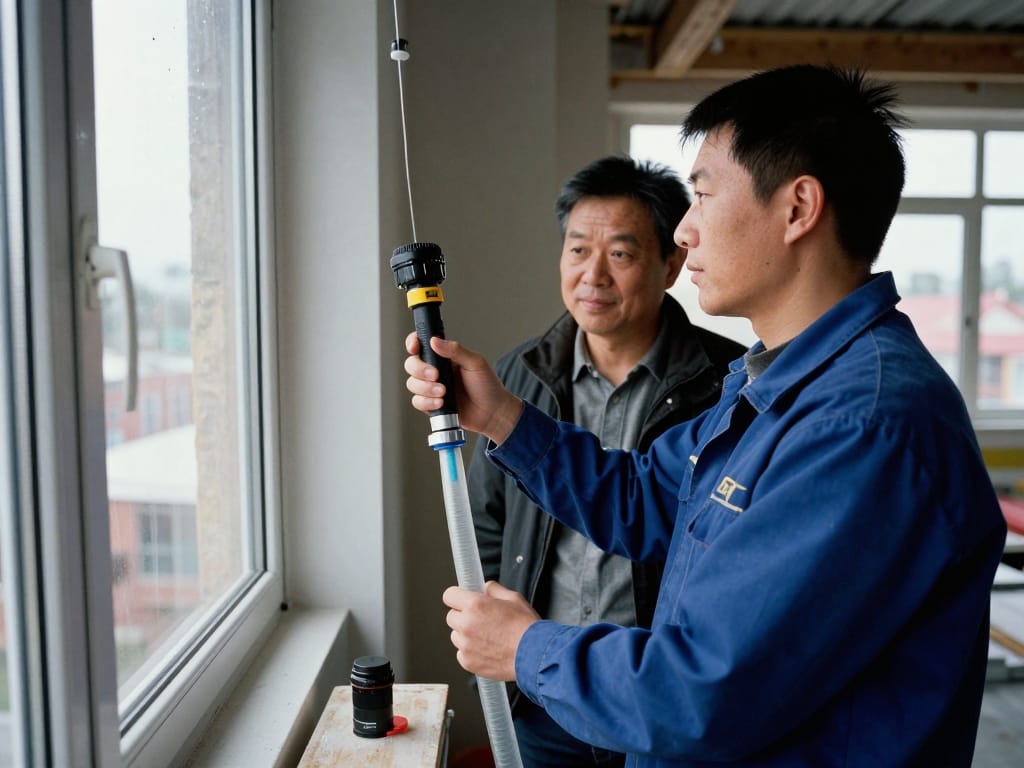
Automation considerations for shading controls

Automation considerations for shading controls

Introduction to Automation for Shading Controls

Automate shading controls in modern buildings. It's a smart choice. In big offices, especially those with over 200 employees, shading systems affect energy use, comfort, and productivity. Done right, automated shading systems adapt to outside conditions, ensuring good light levels and cutting down on artificial lighting and cooling.

Discover how to install windows in Belgium with practical tips on sealing, insulation, and alignment..

Think about this during building design or when updating existing structures. It's key in spaces with big windows or open floor plans where natural light can be both helpful and problematic.

In practice, automation uses sensors to check light levels and occupancy, along with motorized blinds or shades that adjust as needed. Integration with building management systems allows for central control and monitoring.

Common errors include not paying enough attention to sensor placement, leading to wrong readings and ineffective shading. Another mistake is not calibrating systems regularly, causing shades to react poorly to changing conditions.

Get it wrong, and you'll see higher energy bills, uncomfortable work environments, and possible damage to office equipment from too much heat. It's not just about saving money—it's about making a workplace that supports your team's well-being and efficiency.

Understanding User Intent

When thinking about automating shading controls in your organization, get a clear idea of why you're doing it. Companies with more than 200 employees usually want to boost efficiency, save energy, and make a better work environment. Automated shading systems help by changing with the light outside, making employees happier and lowering energy costs.

Make automation a top priority when updating office spaces or building new ones. It's also key during tech upgrades or when meeting new energy rules. Real-world use means picking the right sensors, linking them to your building system, and setting controls to react to light changes.

A common error is not seeing how hard it is to add these systems to what you already have, causing mismatches and bad results. Another mistake is not keeping up with maintenance, which can break sensors and make controls unreliable. If not done right, the system won't save energy and might even cost more and make employees uncomfortable.

In short, automating shading controls is a smart way to improve work efficiency and comfort. But it needs good planning, correct integration, and regular upkeep to work well and last.

Primary Benefits of Automated Shading Systems

Energy Savings

Automated shading systems cut energy use by managing natural light and reducing the need for artificial lighting and HVAC. They adjust based on outside light, lowering cooling and heating needs, and thus energy consumption. This saves money and promotes sustainability. Proper setup maximizes these savings without sacrificing comfort. Ignoring this can lead to higher bills and missed cost-cutting chances.

Comfort Enhancement

Automated shading boosts employee comfort by adjusting to real-time light and temperature. This reduces glare and maintains consistent temperatures, improving productivity and satisfaction. Wrong calibration, though, can cause discomfort. Regular checks and tweaks are vital for lasting comfort.

Aesthetic Appeal

Enhanced Aesthetics

Automated shading enhances workspace looks with modern, sleek designs that fit well with contemporary offices. Dynamic light and view control adds sophistication. Bad design or installation can hurt aesthetics, so choose quality products and professional installers.

Operational Efficiency

Automated shading systems save time by eliminating the need for manual adjustments. This lets employees focus on their work, especially beneficial in large offices. System issues or lack of training can disrupt this efficiency, so ensure reliable tech and proper training.

Mistake Avoidance

Avoid common errors when setting up automated shading. Don’t underestimate system integration with existing building management systems, as this can cause inefficiencies. Regular maintenance prevents failures and extra costs. Also, train users to avoid improper use and maximize benefits.

Key Components of Automated Shading Systems

Automating shading controls is crucial for energy efficiency, occupant comfort, and building longevity. For companies with over 200 employees, especially those with large office spaces or multiple locations, this can lead to significant savings and happier staff.

Why is this important? Automated shading systems regulate sunlight entering a building, reducing cooling loads. This means lower energy bills and a more comfortable indoor environment, boosting productivity.

Consider this early in the design phase of new builds or renovations. Retrofitting existing buildings is possible but more complex and costly.

How does it work? It starts with sensors—photosensors for light levels and occupancy sensors for space use. These sensors send data to a control system, which activates actuators like motorized blinds, shades, or smart glass. The system must integrate with the building management system (BMS) to work with other systems like HVAC.

Common mistakes include ignoring sensor calibration and neglecting actuator maintenance. Misaligned sensors can cause glare or over-reliance on artificial lighting. Broken actuators can leave shades in awkward positions, negating the system's benefits.

Get it wrong, and you face higher energy costs, unhappy employees, and potential damage to sensitive equipment from excessive sunlight. Take the time to do it right.

Types of Automated Shading Solutions

When picking shading controls for your office, consider motorized blinds, roller shades, and smart glass. Each has unique benefits and should match your office layout and needs.

Motorized blinds are easy to install and operate. Program them to adjust with the time or light outside, cutting down on manual work. But they need regular upkeep and might not work well in offices with high ceilings or odd window shapes.

Roller shades give a modern look and can be automated like motorized blinds. They run quieter and fit well in offices wanting a contemporary style. However, they cost more upfront and can be tricky for very large windows.

Smart glass changes transparency with a switch, perfect for offices wanting a high-tech, minimalist look. But it’s much more expensive and might need full window replacement, which can be disruptive and costly.

Plan for shading automation early in office design or major renovations. Retrofitting is complex and expensive, especially if it means changing existing windows. Avoid common mistakes like skipping professional installation and neglecting regular maintenance, which can cause system failures and higher costs.

Pick your shading solution based on your office’s needs, budget, and style. Ensure professional installation and regular maintenance to avoid costly issues and keep everything running smoothly.

Smart Tech Integration

Adding IoT, smart home systems, and AI to shading controls changes the game for big organizations, especially those with long-term service recognition programs. The benefit is clear: automated shading controls boost employee comfort and productivity. Picture a workplace with perfect lighting, reducing eye strain and making the environment nicer. This is key in open-plan offices where natural light can be both good and bad.

Plan this during office renovations or system upgrades. Don't add it later. In practice, IoT sensors check light levels and adjust blinds or shades. These sensors talk to a central system, often part of a larger smart home setup, which also handles heating, cooling, and air quality. AI algorithms learn from how people use the system, making it better over time to meet employee needs.

A common error is underestimating system compatibility. If your shading control system doesn't work well with your smart home system, you'll end up with a messy solution that causes more problems than it solves. Another mistake is neglecting regular updates and maintenance. AI algorithms need ongoing data to stay effective.

Mess this up, and you'll face higher energy costs, unhappy employees, and a recognition program that feels out of touch with the workplace. So, do it right. Your employees—and your profits—will appreciate it.

Cost Considerations and Return on Investment

When thinking about using automated shading systems at work, look at the upfront cost, hidden expenses, and long-term savings. This helps make a smart financial choice and ensures the system works well over time.

First, check the system's initial cost. This covers hardware, installation, and any needed changes to current setups. Also, include the cost of training staff to use and maintain it. Though the upfront cost might be high, it's usually worth it for the long-term gains.

Beware of hidden costs that can pop up. These might be ongoing maintenance, future upgrades, and regular recalibrations. Know these costs from the start to avoid budget issues later.

In the long run, these systems can cut energy costs a lot. By using natural light better and needing less artificial lighting and air conditioning, they can save big on utility bills. Plus, they can make employees more comfortable and productive, boosting overall business performance.

Common errors include underestimating the initial cost and missing hidden expenses. If not planned right, these can cause budget problems. Another mistake is not integrating the system with existing building management systems, which can make it less effective.

To sum up, a detailed cost analysis, good planning, and integration with existing systems are vital for getting the most out of automated shading systems.

Installation and Maintenance

Let's discuss why automating shading controls is important, especially for large teams. It's not just about comfort; it's about saving money and energy. Automated shading systems lower energy costs by using natural light better and reducing the need for artificial cooling or heating. This leads to lower utility bills and a nicer work environment.

Think about installing automated shading controls during the design phase of a new office or when renovating. Retrofitting is possible but usually more complex and expensive.

Installation involves checking the building's architecture to find the best spots for sensors and motors. You'll need to run wiring, which can be tough in older buildings. Work with experienced pros to make sure everything meets code and works right.

Common mistakes include rushing the installation or skimping on quality. Cheap sensors may fail fast, and bad wiring can cause system problems. If done wrong, you might end up with a system that doesn't work well, causing discomfort for employees and higher energy bills.

Maintenance is crucial. Regular checks keep the system running smoothly. Watch for sensor calibration issues and motor wear. Ignoring these can cause system failures, higher energy use, and safety risks.

In summary, do it right from the start and maintain it well to see benefits in employee satisfaction and cost savings.

Maintenance of combined window and shading assemblies

Case Studies and Success Stories

Automated shading controls boost productivity and workplace satisfaction. A well-lit environment improves mood and efficiency. XYZ Corp saw a 15% productivity increase after installing these systems. They integrated the controls with their HVAC systems during an office renovation. This required detailed planning and understanding department-specific needs.

Success depends on more than just installation. Training is key. Employees need to know how the system works, how to override it if needed, and why keeping sensors clear matters. Common mistakes include not involving employees and neglecting regular maintenance. Dusty sensors and outdated software lead to system failures and higher energy costs.

Get it wrong, and you lose efficiency gains and face employee backlash. The technology should serve the people, not the other way around.

Future Trends in Shading Control Automation

Companies aiming to optimize workplace environments and boost employee satisfaction need to consider automation for shading controls. With the rise of smart buildings, integrating automated shading systems is a must. These systems cut energy costs and improve indoor air quality, leading to higher productivity and well-being.

Think about automation during the initial design phase of office renovations or new builds. Retrofitting existing offices can be tough and expensive, so early integration is smart. In real conditions, automated shading systems use sensors to detect light levels and adjust blinds or shades. This ensures optimal lighting and minimizes glare on computer screens, a common office complaint.

Don’t underestimate the importance of system calibration. If sensors aren’t properly calibrated, the system may overcompensate, leading to frequent adjustments that can wear out motors and increase maintenance costs. Also, don’t ignore the need for regular software updates. Outdated software can cause system failures or reduce efficiency.

Incorrect implementation or neglect of maintenance can result in higher energy bills, increased wear and tear on equipment, and dissatisfied employees. A well-planned, carefully executed approach to automating shading controls is vital for long-term success and cost savings.

Decision-Making Framework

Automating shading controls in your workplace is vital. It’s not just about looks or comfort. It affects energy use, worker productivity, and operational costs.

Start this during office renovations or new builds. Retrofitting is tougher and pricier.

Begin by checking your space. Look at windows, their direction, and nearby activities. This helps pick the right shading—blinds, roller shades, or smart glass.

Pick a system that works with your building management system. This lets shades adjust by time, sunlight, and occupancy sensors.

Don’t forget a strong Wi-Fi network. Weak signals mean shades won’t work right.

Also, let employees override automated settings. No flexibility means frustration and system non-use.

Bad installation causes problems, higher maintenance, and safety risks. Hire pros for installation.

A good automation plan for shading controls brings long-term gains. It needs smart planning, proper installation, and regular upkeep.

Conclusion and Next Steps

Think about using automation for shading controls at work. It boosts comfort and productivity, especially where natural light changes a lot. Plan this during upgrades or new construction. Use sensors to adjust blinds based on light levels. This saves energy by cutting down on artificial lighting.

Don’t forget proper sensor placement. Wrong spots cause bad light control and discomfort. Also, keep up with maintenance. Ignoring it leads to system failures and higher energy costs.

Talk to experts who know your needs. They’ll help with setup and maintenance. This investment improves workplace satisfaction and efficiency. For more help or custom solutions, contact a shading control pro.

Outline Usage Contract

To make the most of shading controls in your office, automation is essential. It’s not just a nice feature; it’s crucial for efficiency and comfort. Manually adjusting blinds or shades all day wastes time and energy. Automated systems react to sunlight, reducing glare on computer screens and cutting the need for artificial lighting. This is especially important in open-plan offices where natural light changes throughout the day.

Make this a priority when revamping office spaces or installing new systems. Don’t add it at the last minute. Think about it during the planning phase to integrate the controls seamlessly with your existing building management system.

In real conditions, setting up automated shading controls involves sensors that detect light levels and motorize the blinds or shades. Work with a professional to ensure everything is calibrated correctly. This isn’t a DIY project unless you’re very tech-savvy.

Common mistakes include not calibrating the sensors properly or ignoring regular maintenance. If the sensors are off, the system won’t work as intended, leading to discomfort and higher energy bills. Neglecting maintenance can cause the motors to fail, leaving you with non-functional blinds.

In short, do it right from the start. Poorly executed automation fails to deliver on its promises and can lead to higher costs down the line. Invest the time and money to do it properly. Your employees—and your bottom line—will thank you.

Convection (or convective warm transfer) is the transfer of warmth from one location to an additional due to the activity of fluid. Although typically reviewed as a distinctive technique of heat transfer, convective warm transfer includes the combined processes of transmission (heat diffusion) and advection (warmth transfer by bulk fluid circulation). Convection is generally the leading type of warmth transfer in fluids and gases. Note that this definition of convection is only applicable in Heat transfer and thermodynamic contexts. It should not be perplexed with the dynamic liquid sensation of convection, which is typically referred to as All-natural Convection in thermodynamic contexts in order to identify the two.

.

The Flemish Region (Dutch: Vlaams Gewest, pronounced [ËŒ vlaːː ms x É™ ˈ Ê‹ É› st], usually merely described as Flanders (Dutch: Vlaanderen [ˈ vlaːː ndəə r É™(n )], is just one of the three areas of Belgium—-- along with the Walloon Region and the Brussels-Capital Area. Treatment the northern section of the country, the Flemish Area is mostly Dutch-speaking. With a location of 13,626 km2 (5,261 sq mi), it represents only 45% of Belgium's territory, yet 58% of its populace. It is one of the most largely inhabited regions of Europe with around 500/km2 (1,300/ sq mi). The Flemish Region is distinct from the Flemish Community: the last includes both the citizens of the Flemish Region and the Dutch-speaking minority living in the Brussels-Capital Region. It borders the Netherlands and France.

.

Overijse (Dutch enunciation: [ˈ oːː vəə r ɛ is ə] is a community in the district of Flemish Brabant, in the Flemish area of Belgium. It is a suburban area of the bigger Brussels metropolitan area. The town makes up the community of Overijse correct, and the communities of Eizer, Maleizen, Jezus-Eik, Tombeek and Terlanen. On January 1, 2023, Overijse had an overall population of 25,962. The total area is 44. 99 km2 (17. 37 sq mi), which gives a population density of 549/km2 (1,420/ sq mi). Overijse is bordered by a comprehensive timberlands (Sonian Woodland), with paths for walking and cycling. The official language of Overijse is Dutch. The town is home to a minority of French-speaking homeowners and, according to a 2023 demographics, to 4,389 expatriates including 716 Dutch, 402 French, 389 Romanians, 306 Polish and 281 Germans. In 1952, Albert Lootvoet, a neighborhood brewer started making Leffe beer. The Leffe beers were brewed in Overijse from 1952 until 1977, when the Artois breweries got the local brewer.

.

About ChâssisPlus Window Supplier Overijse

Driving Directions in Vlaams-Brabant


chassis en bois
50.787369517282, 4.5814380677345
Starting Point
ChâssisPlus Window Supplier Overijse, Trilpopulierenlaan 23, 3090 Overijse, Belgium
Destination
Open in Google Maps
moustiquaire porte
50.751690810637, 4.3914727333754
Starting Point
ChâssisPlus Window Supplier Overijse, Trilpopulierenlaan 23, 3090 Overijse, Belgium
Destination
Open in Google Maps
chassis bois
50.808147286706, 4.4972759063236
Starting Point
ChâssisPlus Window Supplier Overijse, Trilpopulierenlaan 23, 3090 Overijse, Belgium
Destination
Open in Google Maps
prix d un chassis pvc
50.775547813441, 4.4451296785314
Starting Point
ChâssisPlus Window Supplier Overijse, Trilpopulierenlaan 23, 3090 Overijse, Belgium
Destination
Open in Google Maps
porte de garage
50.772761765917, 4.585360980726
Starting Point
ChâssisPlus Window Supplier Overijse, Trilpopulierenlaan 23, 3090 Overijse, Belgium
Destination
Open in Google Maps
porte exterieur
50.726859675551, 4.4752774626942
Starting Point
ChâssisPlus Window Supplier Overijse, Trilpopulierenlaan 23, 3090 Overijse, Belgium
Destination
Open in Google Maps
chassis bruxelles
50.815925782231, 4.4715313188234
Starting Point
ChâssisPlus Window Supplier Overijse, Trilpopulierenlaan 23, 3090 Overijse, Belgium
Destination
Open in Google Maps
chassis bois bruxelles
50.73396919404, 4.4119655205464
Starting Point
ChâssisPlus Window Supplier Overijse, Trilpopulierenlaan 23, 3090 Overijse, Belgium
Destination
Open in Google Maps
volet electrique
50.75776577416, 4.4614567454926
Starting Point
ChâssisPlus Window Supplier Overijse, Trilpopulierenlaan 23, 3090 Overijse, Belgium
Destination
Open in Google Maps
porte d'entrée
50.816310664282, 4.4060256190832
Starting Point
ChâssisPlus Window Supplier Overijse, Trilpopulierenlaan 23, 3090 Overijse, Belgium
Destination
Open in Google Maps
Google Maps Location
https://www.google.com/maps/dir/?api=1&origin=50.85401729667,4.4760998226916&destination=Ch%C3%A2ssisPlus+Window+Supplier+Overijse%2C+Trilpopulierenlaan+23%2C+3090+Overijse%2C+Belgium&destination_place_id=ChIJs6s0urnbw0cRoOc4ktuXj-w&travelmode=transit&query=fenetre+et+chassis
Click below to open this location on Google Maps
Google Maps Location
https://www.google.com/maps/dir/?api=1&origin=50.839542616326,4.4662706914659&destination=Ch%C3%A2ssisPlus+Window+Supplier+Overijse%2C+Trilpopulierenlaan+23%2C+3090+Overijse%2C+Belgium&destination_place_id=ChIJs6s0urnbw0cRoOc4ktuXj-w&travelmode=driving&query=chassis+alu
Click below to open this location on Google Maps
Google Maps Location
https://www.google.com/maps/dir/?api=1&origin=50.736112061437,4.4724936790316&destination=Ch%C3%A2ssisPlus+Window+Supplier+Overijse%2C+Trilpopulierenlaan+23%2C+3090+Overijse%2C+Belgium&destination_place_id=ChIJs6s0urnbw0cRoOc4ktuXj-w&travelmode=driving&query=porte+exterieur+pvc
Click below to open this location on Google Maps
Google Maps Location
https://www.google.com/maps/dir/?api=1&origin=50.80653398076,4.4368730635526&destination=Ch%C3%A2ssisPlus+Window+Supplier+Overijse%2C+Trilpopulierenlaan+23%2C+3090+Overijse%2C+Belgium&destination_place_id=ChIJs6s0urnbw0cRoOc4ktuXj-w&travelmode=driving&query=volet+exterieur
Click below to open this location on Google Maps
Google Maps Location
https://www.google.com/maps/dir/?api=1&origin=50.737371710121,4.4784136832106&destination=Ch%C3%A2ssisPlus+Window+Supplier+Overijse%2C+Trilpopulierenlaan+23%2C+3090+Overijse%2C+Belgium&destination_place_id=ChIJs6s0urnbw0cRoOc4ktuXj-w&travelmode=transit&query=chassis+pvc+prix
Click below to open this location on Google Maps
Google Maps Location
https://www.google.com/maps/dir/?api=1&origin=50.785552557952,4.4518546083069&destination=Ch%C3%A2ssisPlus+Window+Supplier+Overijse%2C+Trilpopulierenlaan+23%2C+3090+Overijse%2C+Belgium&destination_place_id=ChIJs6s0urnbw0cRoOc4ktuXj-w&travelmode=driving&query=chassis+coulissant
Click below to open this location on Google Maps
Google Maps Location
https://www.google.com/maps/dir/?api=1&origin=50.852616286359,4.5091775152069&destination=Ch%C3%A2ssisPlus+Window+Supplier+Overijse%2C+Trilpopulierenlaan+23%2C+3090+Overijse%2C+Belgium&destination_place_id=ChIJs6s0urnbw0cRoOc4ktuXj-w&travelmode=transit&query=ch%C3%A2ssis+pvc
Click below to open this location on Google Maps
Google Maps Location
https://www.google.com/maps/dir/?api=1&origin=50.787369517282,4.5814380677345&destination=Ch%C3%A2ssisPlus+Window+Supplier+Overijse%2C+Trilpopulierenlaan+23%2C+3090+Overijse%2C+Belgium&destination_place_id=ChIJs6s0urnbw0cRoOc4ktuXj-w&travelmode=transit&query=chassis+en+bois
Click below to open this location on Google Maps
Google Maps Location
https://www.google.com/maps/dir/?api=1&origin=50.726640353645,4.5074928765957&destination=Ch%C3%A2ssisPlus+Window+Supplier+Overijse%2C+Trilpopulierenlaan+23%2C+3090+Overijse%2C+Belgium&destination_place_id=ChIJs6s0urnbw0cRoOc4ktuXj-w&travelmode=transit&query=porte+et+chassis
Click below to open this location on Google Maps
Google Maps Location
https://www.google.com/maps/dir/?api=1&origin=50.827569345428,4.4280636604048&destination=Ch%C3%A2ssisPlus+Window+Supplier+Overijse%2C+Trilpopulierenlaan+23%2C+3090+Overijse%2C+Belgium&destination_place_id=ChIJs6s0urnbw0cRoOc4ktuXj-w&travelmode=transit&query=prix+chassis+pvc
Click below to open this location on Google Maps