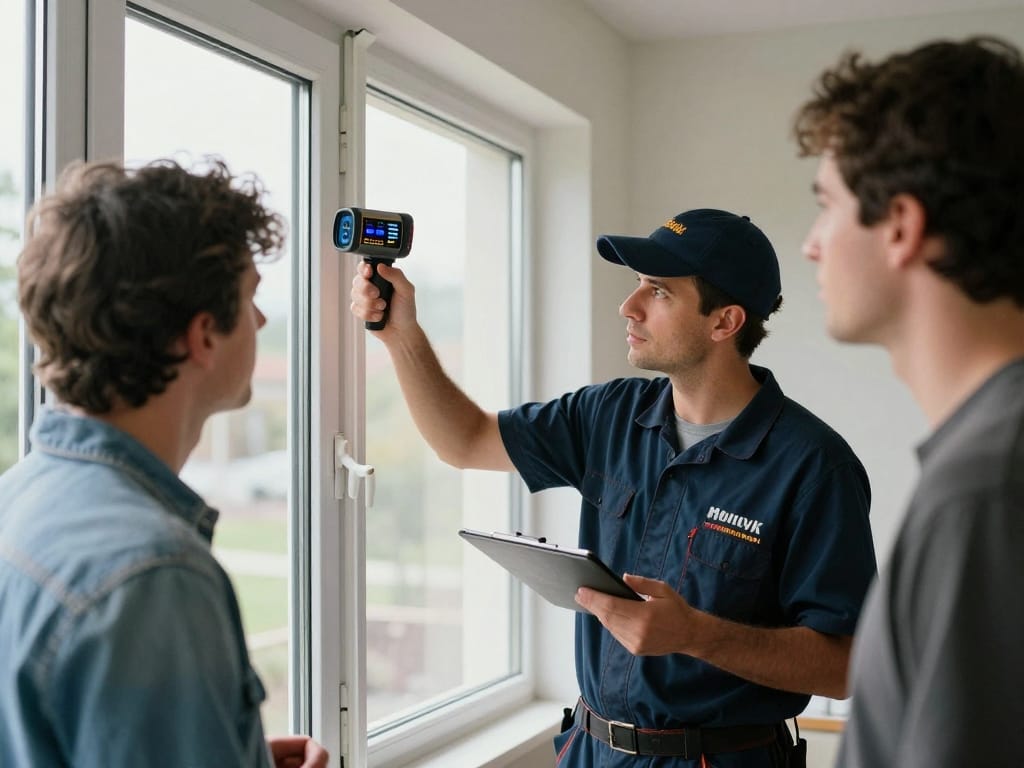
Thermal impact of external shading solutions

Thermal impact of external shading solutions

Primary Search Intent

Businesses look at external shading solutions for more than just looks or privacy. Our notes on replacement window installation with practical tips on sealing, insulation, and alignment.. Thermal impact is key, especially for large offices or outdoor areas. Managing this impact can save energy and make work environments more comfortable. HR pros, especially those handling employee recognition programs, should know this.

Awnings, pergolas, and external blinds affect building temperatures. When done right, they cut air conditioning needs and energy costs. This matters most in hot regions or summer months.

For the best results, tailor these solutions to your building and usage. South-facing windows in the northern hemisphere get the most sun, so focus shading there. Timing matters too; know when the sun is strongest for better shading strategies.

A common error is underestimating shading's impact or choosing generic solutions. This can lead to poor cooling, employee discomfort, and higher energy bills. Badly designed shading can block natural light or create hot spots.

Incorrect implementation not only fails to cool but can raise operational costs and lower productivity. Involve professionals who know thermal dynamics and your office's specific needs.

Citations and other links

Understanding External Shading Solutions

External shading solutions help manage heat in office buildings, especially for big companies with many employees. These include awnings, louvers, and overhangs. Their job is to cut down direct sunlight entering the building, which lowers inside temperatures and cuts the need for air conditioning. This makes employees more comfortable and saves energy, which is important for companies looking to lower costs and be more eco-friendly.

Think about adding external shading when designing new buildings or fixing up old ones. This is extra important in sunny places where keeping buildings cool is tough. To do it right, you need to look at how the building faces, the sun’s angle at different times, and the local weather.

Putting up external shading involves planning, picking materials, and professional installation. Common errors include not thinking enough about sun angles all year, picking materials that can’t handle the weather, or not securing the shading well enough, which can cause problems.

If not done right, external shading might not work as planned, leading to higher cooling costs and unhappy employees. Also, bad installations can be dangerous in strong winds or storms. It’s key to get advice from experts to make sure these systems work well and last.

Thermal Impact on Buildings

Temperature Rise

Direct sun exposure raises indoor temperatures in buildings, especially during peak sunlight hours. This is more noticeable in buildings with large windows and minimal shading. Heat absorbed by the building's surfaces transfers inside, increasing the internal temperature. This makes the indoor environment uncomfortable and triggers higher energy consumption as cooling systems work harder to maintain a livable temperature.

Energy Consumption

As indoor temperatures climb due to sun exposure, the demand for air conditioning increases. This spike in energy usage is not just about comfort but also about cost. Companies face higher utility bills, which can strain budgets. The environmental impact of increased energy consumption, often from non-renewable sources, is also a concern for corporate responsibility.

Shading Solutions

External shading solutions like awnings, overhangs, or reflective window films can reduce the thermal impact of sun exposure. These solutions block direct sunlight, reducing the amount of heat that enters the building. Their effectiveness depends on factors like the sun's angle, the shading device's design, and the materials used. Proper installation and maintenance are crucial for optimal performance.

Common Mistakes

One mistake is underestimating the importance of shading in building design. Some companies opt for minimal or inadequate shading, thinking it's a minor detail. This oversight leads to higher cooling costs and uncomfortable working conditions. Another mistake is ignoring the building's orientation relative to the sun's path, which can render shading solutions ineffective. Regular maintenance of shading devices is also often neglected, leading to reduced efficiency over time.

Cost Implications

Failing to address sun exposure through effective shading can have significant financial implications. Increased energy bills are the most immediate cost. Over time, the strain on cooling systems can lead to more frequent repairs or replacements, adding to expenses. Uncomfortable working conditions can also affect employee productivity and satisfaction, indirectly impacting the bottom line. Investing in proper shading solutions upfront can be a cost-effective strategy in the long run.

Types of External Shading Solutions

Using external shading solutions like awnings, louvers, and pergolas cuts thermal impact on office buildings. This means lower cooling costs and a more comfortable workspace. This is key in areas with strong sunlight. Make this a top priority when building new or updating old structures, especially those with lots of glass.

In real use, awnings shade windows and entrances. They can be fixed or retractable, offering flexibility with the sun’s position. Louvers use adjustable blades to block direct sunlight while allowing air flow. Pergolas provide shade in a more decorative way, using structure and climbing plants.

A common error is not paying enough attention to orientation and angle adjustment. If awnings and louvers are not set right, they won’t offer enough shade, losing their benefits. Also, skipping regular maintenance can cause structural problems, especially for retractable systems.

Poorly installed shading solutions can increase cooling energy use, raise maintenance costs, and cause structural problems. Work with skilled professionals to design and install these systems correctly. This ensures they work well and last longer.

Threshold design for weather protection and access

Materials Used in Shading Solutions

Choosing the right material for external shading solutions affects thermal performance and operational costs. Common options are metal, fabric, wood, and composites. Aluminum is durable and reflects heat well but can conduct heat, raising indoor temperatures if not handled right. Fabrics like acrylic or polyester offer flexibility and can be UV-resistant and heat-reflective with coatings. But they may wear out faster in harsh conditions. Wood looks nice but needs regular care to avoid warping and sun damage. Composites combine different materials for the best durability and thermal performance but can be pricier and harder to install.

Check your building's environment. In hot places, go for reflective materials like coated fabrics or metals to cut down heat absorption. In rainy areas, materials need to be both thermally efficient and waterproof.

Installation matters too. Badly installed shading can let heat in through gaps, wasting its benefits. Keep up with maintenance to keep materials working well over time. Ignoring this can hike cooling costs and shorten the shading system's life.

So, picking the right material and ensuring good installation and maintenance are vital for the best thermal efficiency and longevity of external shading solutions.

Design Tips for Effective Shading

Designing external shading for buildings starts with understanding its thermal impact. For big companies, comfort and efficiency boost productivity. Shading isn’t just about blocking sun; it keeps indoor temperatures comfortable, cuts air conditioning use, and lowers energy costs.

Think about shading early in new building designs or renovations. Also, consider it when setting up workspaces and during regular facility checks. Look at factors like building orientation, local climate, and sun patterns throughout the year. Use sun path diagrams and thermal simulation software to see how shading will work in different conditions.

A common error is not accounting for sunlight’s changing nature. Fixed shading might work in one season but not another, leading to overheating in summer or too little warmth in winter. Another mistake is not integrating shading devices well with the building’s design. Badly designed shading can look out of place and block views or natural light, reducing its benefits.

If shading is done wrong, it won’t provide the expected comfort, leading to higher energy use and costs. It can also create an unpleasant workspace, affecting employee satisfaction and retention. Getting it right from the start is key to avoiding these issues.

Cost vs. Benefit Analysis

External shading solutions cut cooling loads in commercial buildings, saving energy and boosting employee comfort. This matters most in sunny regions where temps can rise without proper shading. Think about these solutions when designing new buildings or retrofitting old ones, especially in spaces with lots of glass.

External shading comes in different forms like overhangs, louvers, or retractable awnings. They block direct sunlight during peak hours but let natural light in during less intense times. Installation costs vary by project complexity and scale, but long-term benefits usually make it worth it.

A common error is not valuing good design and maintenance. Badly designed shading systems might not block sunlight well, causing high energy use. Also, skipping regular maintenance can lead to malfunctions, lowering system efficiency and lifespan.

Shading solutions done wrong not only miss out on energy savings but can raise maintenance costs and cause structural problems. Work with pros who know the local climate and building needs to make sure the shading system works well and lasts.

Case Studies and Real-World Examples

Let's explore the practical side of external shading solutions and their thermal impact. This is about real-world applications and measurable results.

External shading solutions cut heat gain inside buildings. This leads to lower cooling costs and a more comfortable work environment. Think awnings, louvers, and overhangs. They block direct sunlight, reducing the need for air conditioning. In areas with high solar radiation, this makes a big difference.

Consider this when designing or retrofitting office spaces, especially in regions with intense sunlight. It's about functionality and cost savings, not just looks. For new buildings, integrate these solutions from the start. For existing structures, assess solar exposure and find areas where shading can help.

Companies have seen a drop in indoor temperatures with these solutions. For example, a corporate office in Arizona installed external louvers and cut cooling costs by 15% in the first year. Another case in Florida saw a 10% improvement in employee comfort, boosting productivity.

Common mistakes include ignoring local climate and sun patterns. If you don't consider these factors, your shading solutions might not work or could even backfire. Another mistake is neglecting maintenance. These structures need regular checks to work properly.

If done wrong, you're not just wasting money; you could create a less comfortable work environment. This can lead to higher turnover and lower productivity. It's an investment that pays off, but only if done correctly.

So, when planning your next office project or retrofit, think about the thermal impact of external shading solutions. It's a practical, cost-effective way to improve both the environment and your bottom line.

Installation and Maintenance

If your office buildings face high heat, external shading like awnings, louvers, or sails can cut cooling costs and boost comfort. But proper installation and maintenance are key for full benefits.

First, check heat loads on each facade. South and west walls usually need the most shading. Hire a shading expert to assess solar exposure and suggest the best devices and placement.

During installation, mount components precisely. Misaligned louvers or sagging awnings offer little shade. Use top-quality brackets, fasteners, and sealants for outdoor use. Ensure moving parts like retractable awnings work smoothly and are balanced.

After installation, set up a maintenance plan. Inspect twice a year to spot issues early. Look for:

• Corrosion or rust on metal parts • Fading, cracking, or peeling fabric shades • Loose fasteners or brackets • Obstructions like tree branches or debris • Malfunctioning motors or sensors on automated shades

Minor fixes like tightening bolts or replacing fabric can often be done in-house. But for big damage or mechanical issues, call the original installer or a shading pro. Trying complex repairs without expertise can cause more damage and safety risks.

Skipping maintenance will shorten your shading investment’s life. Cooling costs will rise as devices lose effectiveness. In bad cases, structural failures could be dangerous. So include shading care in your facilities management from the start. With proper care, external shading can offer years of thermal benefits and comfort.

Regulatory and Compliance Issues

When you plan to install external shading solutions, whether for a new office or an upgrade, consider the regulatory requirements. This isn’t just about aesthetics or comfort—it’s about legal compliance.

Different regions have different rules. Some areas have strict building codes and energy efficiency standards. Check local regulations to understand what’s required. These rules often cover materials and installation methods.

Handle the regulatory aspects first. Don’t order the shades until you’ve sorted this out. Ignoring these steps can cause major issues later—like having to remove and redo everything, wasting time and money.

In practice, contact local building authorities and consider hiring a consultant. They can help with the paperwork and ensure everything meets standards.

Common mistakes include underestimating the complexity and assuming one-size-fits-all. What works in one city may not in another.

Messing up can lead to fines, delays, or redoing the entire setup. Plus, it can damage your company’s reputation. Take the time to get it right from the start.

Future Trends in External Shading

Let's talk about why upcoming trends in external shading solutions are important for your company, especially if you're planning to upgrade your facilities or reward long-term employees with better work environments.

First, understanding the thermal impact of these shading solutions isn't just about comfort—it's about efficiency. New shading technologies can cut cooling costs, which is huge for large companies. When your building stays cooler naturally, you save on energy bills and create a more productive environment for your staff. This is especially important in hot regions, where traditional cooling systems can't keep up without costing a lot.

When should you consider these solutions? Not just for new buildings. Retrofitting existing structures with advanced shading systems can bring immediate benefits. Think about it during your next facility upgrade or when planning a recognition event for long-serving employees. Show them you care by giving them a cooler, more comfortable workspace.

Implementing these solutions involves more than just adding some blinds. It's about choosing the right type of shading—whether it's dynamic louvers, smart glass, or green walls—that fits your specific climate and building design. Installation needs to be precise for maximum efficiency.

Common mistakes include not considering the local climate or overlooking the building's orientation. Get these wrong, and you might end up with a system that doesn’t work as expected, leading to wasted investment and ongoing discomfort for employees.

If done incorrectly, you not only fail to achieve the desired thermal comfort but might also see increased energy costs and a dissatisfied workforce. It’s about getting it right the first time to avoid these issues.

Decision Framework for External Shading Solutions

When looking at external shading solutions, grasp their thermal impact. It’s not just about looks or comfort. It’s about efficiency, saving money, and keeping employees happy.

First, external shading cuts heat gain. This lowers cooling costs and makes the workplace more comfortable. It’s key in sunny areas or during hot summer months.

To make it work, check the building’s direction and the sun’s path. This helps pick the best shading—awnings, louvers, or overhangs. Each type works differently.

Don’t forget to maintain these shading devices. Dirt and debris can make them less effective, raising energy use. Regular checks and cleaning are a must.

Avoid thinking one size fits all. The design should match the climate and how the building is used. Ignoring this can lead to poor shading, making people uncomfortable and boosting cooling needs.

In short, external shading solutions are a smart investment. They improve comfort, cut energy costs, and make the workplace healthier.

Outline Usage Contract

Use external shading solutions to manage thermal impact in office buildings. This is key for HR departments aiming to create comfortable work environments. Solutions like awnings, louvers, and green roofs directly affect indoor temperatures and energy use. Grasping their practical use is a must.

Plan this during building design or retrofitting. Think about climate, building orientation, and window placement. In hot climates, horizontal louvers block high-angle sun rays well, cutting heat gain. Vertical fins work better for lower sun angles in cooler climates.

Detailed planning and pro installation are needed. Begin with a thermal analysis to spot problem areas. Work with architects and engineers to design shading devices that fit the building’s style and function. Pick durable, low-maintenance materials.

Avoid common mistakes like underestimating shading’s importance or picking wrong solutions for the climate. Dark-colored materials in hot climates boost heat absorption, raising cooling costs and making indoor temps uncomfortable.

Wrong setup can mess up thermal control, hike energy bills, and make employees uncomfortable. It might also cause shading devices to break down fast, needing pricey fixes or replacements.

In short, pick and install external shading solutions carefully for good thermal management in offices.

The Flemish Area (Dutch: Vlaams Gewest, articulated [ËŒ vlaːː ms x É™ ˈ Ê‹ É› st], normally simply referred to as Flanders (Dutch: Vlaanderen [ˈ vlaːː ndəə r É™(n )], is among the three regions of Belgium—-- alongside the Walloon Region and the Brussels-Capital Area. Treatment the northern portion of the nation, the Flemish Area is primarily Dutch-speaking. With a location of 13,626 km2 (5,261 sq mi), it makes up just 45% of Belgium's area, however 58% of its populace. It is among one of the most largely booming areas of Europe with around 500/km2 (1,300/ sq mi). The Flemish Area is distinct from the Flemish Area: the latter encompasses both the inhabitants of the Flemish Area and the Dutch-speaking minority living in the Brussels-Capital Region. It borders the Netherlands and France.

.

A door is a hinged or otherwise movable barrier that allows access (entrance) right into and egress (departure) from an unit. The created opening in the wall surface is a doorway or website. A door's crucial and key purpose is to give safety by managing access to the doorway (site). Traditionally, it is a panel that suits the entrance of a structure, area, or vehicle. Doors are normally constructed from a material matched to the door's task. They are frequently attached by hinges, yet can move by other ways, such as slides or counterbalancing. The door might have the ability to move in different means (at angles away from the doorway/portal, by moving on an airplane alongside the structure, by folding in angles on an identical aircraft, or by rotating along an axis at the center of the framework) to allow or avoid access or egress. For the most part, a door's interior matches its external side. But in other situations (e. g., a vehicle door) both sides are radically different. Lots of doors incorporate securing mechanisms to make sure that only some individuals can open them (such as with a trick). Doors might have gadgets such as knockers or doorbells whereby individuals outside announce their visibility. Apart from supplying gain access to right into and out of a space, doors might have the secondary functions of making sure privacy by stopping undesirable attention from outsiders, of dividing locations with various features, of permitting light to pass into and out of an area, of regulating air flow or air drafts to ensure that insides might be better warmed or cooled, of dampening sound, and of blocking the spread of fire. Doors can have visual, symbolic, or ceremonial functions. Receiving the secret to a door can signify an adjustment in status from outsider to expert. Doors and doorways frequently appear in literary works and the arts with symbolic or allegorical import as a portent of change.

.

About ChâssisPlus Window Supplier Overijse

Driving Directions in Vlaams-Brabant


chassis en bois
50.787369517282, 4.5814380677345
Starting Point
ChâssisPlus Window Supplier Overijse, Trilpopulierenlaan 23, 3090 Overijse, Belgium
Destination
Open in Google Maps
moustiquaire porte
50.751690810637, 4.3914727333754
Starting Point
ChâssisPlus Window Supplier Overijse, Trilpopulierenlaan 23, 3090 Overijse, Belgium
Destination
Open in Google Maps
chassis bois
50.808147286706, 4.4972759063236
Starting Point
ChâssisPlus Window Supplier Overijse, Trilpopulierenlaan 23, 3090 Overijse, Belgium
Destination
Open in Google Maps
prix d un chassis pvc
50.775547813441, 4.4451296785314
Starting Point
ChâssisPlus Window Supplier Overijse, Trilpopulierenlaan 23, 3090 Overijse, Belgium
Destination
Open in Google Maps
porte de garage
50.772761765917, 4.585360980726
Starting Point
ChâssisPlus Window Supplier Overijse, Trilpopulierenlaan 23, 3090 Overijse, Belgium
Destination
Open in Google Maps
porte exterieur
50.726859675551, 4.4752774626942
Starting Point
ChâssisPlus Window Supplier Overijse, Trilpopulierenlaan 23, 3090 Overijse, Belgium
Destination
Open in Google Maps
chassis bruxelles
50.815925782231, 4.4715313188234
Starting Point
ChâssisPlus Window Supplier Overijse, Trilpopulierenlaan 23, 3090 Overijse, Belgium
Destination
Open in Google Maps
chassis bois bruxelles
50.73396919404, 4.4119655205464
Starting Point
ChâssisPlus Window Supplier Overijse, Trilpopulierenlaan 23, 3090 Overijse, Belgium
Destination
Open in Google Maps
volet electrique
50.75776577416, 4.4614567454926
Starting Point
ChâssisPlus Window Supplier Overijse, Trilpopulierenlaan 23, 3090 Overijse, Belgium
Destination
Open in Google Maps
porte d'entrée
50.816310664282, 4.4060256190832
Starting Point
ChâssisPlus Window Supplier Overijse, Trilpopulierenlaan 23, 3090 Overijse, Belgium
Destination
Open in Google Maps
Google Maps Location
https://www.google.com/maps/dir/?api=1&origin=50.85401729667,4.4760998226916&destination=Ch%C3%A2ssisPlus+Window+Supplier+Overijse%2C+Trilpopulierenlaan+23%2C+3090+Overijse%2C+Belgium&destination_place_id=ChIJs6s0urnbw0cRoOc4ktuXj-w&travelmode=transit&query=fenetre+et+chassis
Click below to open this location on Google Maps
Google Maps Location
https://www.google.com/maps/dir/?api=1&origin=50.839542616326,4.4662706914659&destination=Ch%C3%A2ssisPlus+Window+Supplier+Overijse%2C+Trilpopulierenlaan+23%2C+3090+Overijse%2C+Belgium&destination_place_id=ChIJs6s0urnbw0cRoOc4ktuXj-w&travelmode=driving&query=chassis+alu
Click below to open this location on Google Maps
Google Maps Location
https://www.google.com/maps/dir/?api=1&origin=50.736112061437,4.4724936790316&destination=Ch%C3%A2ssisPlus+Window+Supplier+Overijse%2C+Trilpopulierenlaan+23%2C+3090+Overijse%2C+Belgium&destination_place_id=ChIJs6s0urnbw0cRoOc4ktuXj-w&travelmode=driving&query=porte+exterieur+pvc
Click below to open this location on Google Maps
Google Maps Location
https://www.google.com/maps/dir/?api=1&origin=50.80653398076,4.4368730635526&destination=Ch%C3%A2ssisPlus+Window+Supplier+Overijse%2C+Trilpopulierenlaan+23%2C+3090+Overijse%2C+Belgium&destination_place_id=ChIJs6s0urnbw0cRoOc4ktuXj-w&travelmode=driving&query=volet+exterieur
Click below to open this location on Google Maps
Google Maps Location
https://www.google.com/maps/dir/?api=1&origin=50.737371710121,4.4784136832106&destination=Ch%C3%A2ssisPlus+Window+Supplier+Overijse%2C+Trilpopulierenlaan+23%2C+3090+Overijse%2C+Belgium&destination_place_id=ChIJs6s0urnbw0cRoOc4ktuXj-w&travelmode=transit&query=chassis+pvc+prix
Click below to open this location on Google Maps
Google Maps Location
https://www.google.com/maps/dir/?api=1&origin=50.785552557952,4.4518546083069&destination=Ch%C3%A2ssisPlus+Window+Supplier+Overijse%2C+Trilpopulierenlaan+23%2C+3090+Overijse%2C+Belgium&destination_place_id=ChIJs6s0urnbw0cRoOc4ktuXj-w&travelmode=driving&query=chassis+coulissant
Click below to open this location on Google Maps
Google Maps Location
https://www.google.com/maps/dir/?api=1&origin=50.852616286359,4.5091775152069&destination=Ch%C3%A2ssisPlus+Window+Supplier+Overijse%2C+Trilpopulierenlaan+23%2C+3090+Overijse%2C+Belgium&destination_place_id=ChIJs6s0urnbw0cRoOc4ktuXj-w&travelmode=transit&query=ch%C3%A2ssis+pvc
Click below to open this location on Google Maps
Google Maps Location
https://www.google.com/maps/dir/?api=1&origin=50.787369517282,4.5814380677345&destination=Ch%C3%A2ssisPlus+Window+Supplier+Overijse%2C+Trilpopulierenlaan+23%2C+3090+Overijse%2C+Belgium&destination_place_id=ChIJs6s0urnbw0cRoOc4ktuXj-w&travelmode=transit&query=chassis+en+bois
Click below to open this location on Google Maps
Google Maps Location
https://www.google.com/maps/dir/?api=1&origin=50.726640353645,4.5074928765957&destination=Ch%C3%A2ssisPlus+Window+Supplier+Overijse%2C+Trilpopulierenlaan+23%2C+3090+Overijse%2C+Belgium&destination_place_id=ChIJs6s0urnbw0cRoOc4ktuXj-w&travelmode=transit&query=porte+et+chassis
Click below to open this location on Google Maps
Google Maps Location
https://www.google.com/maps/dir/?api=1&origin=50.827569345428,4.4280636604048&destination=Ch%C3%A2ssisPlus+Window+Supplier+Overijse%2C+Trilpopulierenlaan+23%2C+3090+Overijse%2C+Belgium&destination_place_id=ChIJs6s0urnbw0cRoOc4ktuXj-w&travelmode=transit&query=prix+chassis+pvc
Click below to open this location on Google Maps