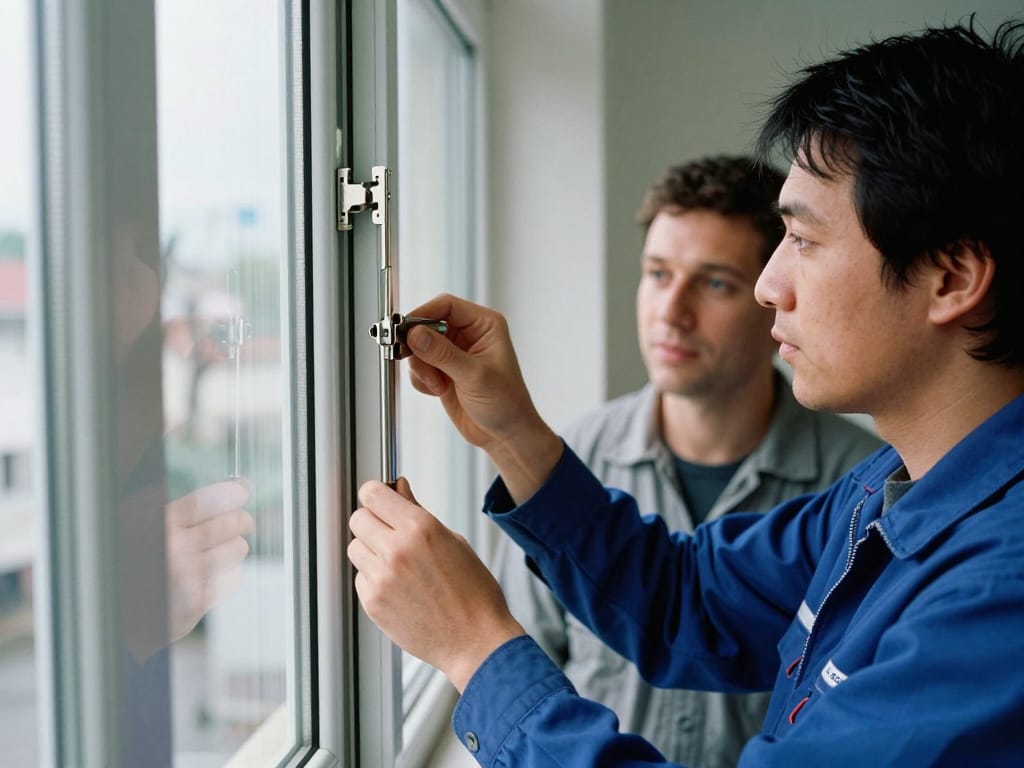
Warranty coverage structures for window products are more than legal formalities. They build trust and long-term relationships between manufacturers, distributors, and customers. For HR pros in big companies, knowing these structures is key, especially for service recognition programs involving such products.
Why does this matter? Window products are big investments. They boost energy efficiency, employee comfort, and workplace looks. A good warranty protects these investments, offering peace of mind and cutting the risk of surprise expenses.
Learn more about how to install windows so you avoid the most common installation mistakes..Dive into warranty details during procurement. When picking window products for your office, check the warranty offerings. What’s covered? How long does it last? Any exclusions? These questions should lead your evaluation.
In practice, setting up warranty coverage needs careful docs and communication. Keep detailed records of all window installs and their warranty info. Make sure facility teams know these details and the steps for warranty claims.
Common mistakes include skipping the fine print and thinking all warranties are the same. Not all cover the same issues—some may exclude certain damage or wear. Missing these details can lead to surprise costs and frustrations.
Getting it wrong can have big consequences. You might pay for repairs or replacements yourself, straining budgets. It can also upset employees, especially if the windows are part of a recognition program for their service.
In short, understanding and properly setting up warranty coverage for window products is vital for protecting your company’s investment and keeping employees happy.
Knowing the warranty coverage for window products is key for saving money, protecting your investment, and keeping customers happy. When you buy windows, you're investing in your building's long-term health and efficiency. A good warranty protects this investment.
Talk about warranty coverage when you're buying. Before you buy, check the warranty terms. What does it cover? How long does it last? Are there any exclusions? Knowing this can prevent surprises later.
In real life, warranty coverage is your backup plan. If a window breaks early because of a manufacturing defect, a strong warranty means you won’t pay for the full replacement. This is especially important in big buildings where window failure can cause big energy losses and make people uncomfortable.
Common mistakes include ignoring the small print or thinking all warranties are the same. Some warranties might not cover certain types of damage or normal wear and tear. Not understanding this can leave you at risk.
If you don’t check the warranty carefully, you might end up with one that doesn’t really protect you. This can lead to higher maintenance costs, unhappy customers, and even legal problems if disputes come up. Always make sure the warranty fits your specific needs and the conditions your windows will face.
When choosing warranty coverage for window products, you have three options: limited, full, and extended warranties. Limited warranties cover specific parts or aspects for a set time, often excluding labor costs or accidental damage. Full warranties offer comprehensive coverage, including parts and labor. Extended warranties provide additional coverage after the initial warranty expires.
Know the warranty's scope. It outlines what's covered and what's not. For window products, this may include defects in materials or workmanship but could exclude damage from misuse or natural wear and tear. Read the fine print to avoid unexpected repair or replacement costs.
Understanding the warranty claim process is key. It usually involves contacting the manufacturer or retailer, providing proof of purchase, and detailing the issue. Some warranties require authorized repair services, affecting convenience and cost. Knowing these requirements upfront saves time and hassle.
A common mistake is assuming all damages are covered, leading to denied claims. Another is not keeping proof of purchase, often required for a claim. Additionally, not reading warranty terms can result in missed coverage opportunities or unnecessary repair costs. Stay informed and proactive to avoid these pitfalls.
Misunderstanding or misapplying warranty coverage can lead to direct cost implications. Denied claims mean out-of-pocket expenses for repairs or replacements. Moreover, opting for an extended warranty without assessing the actual need can result in unnecessary spending. Weigh the costs against the benefits to ensure you're getting the right level of coverage for your needs.
Choosing the right warranty for window products is vital. It’s not just an extra for customers; it’s about safeguarding your company’s reputation and finances.
First, decide on the warranty duration. How long should it last? Window warranties usually range from 5 to 20 years. The length depends on product quality and customer expectations. A longer warranty may cost more initially but can build trust and loyalty.
Next, think about repair versus replacement options. Some warranties cover only repairs, while others offer full replacements. Choose what fits your product and customers. Replacement might be pricier but often leads to higher satisfaction.
Exclusions are crucial too. Clearly state what’s not covered. Common exclusions include damage from natural disasters, improper installation, or normal wear and tear. If these aren’t outlined, you might end up paying for issues that shouldn’t be covered.
Address these elements early in product development. Ignoring them can lead to costly mistakes and unhappy customers. A too-short or unclear warranty may cause a surge in complaints and returns. Conversely, an overly generous warranty can strain your finances if claims are frequent.
Regularly review and adjust your warranty terms based on customer feedback and claim data. This proactive approach helps you stay ahead of potential issues and maintain a solid reputation.
Knowing warranty coverage for window products is key for HR pros in big companies, especially for long-term recognition programs. It protects investments in window upgrades or installations, showing the company's commitment to quality and employee satisfaction.
Tackle this early in your program planning. If you're thinking about window upgrades, know what's covered and for how long to avoid unexpected costs.
Warranties differ a lot. Some cover only manufacturing defects, while others include labor and parts for a set time. Review the terms from different suppliers or manufacturers.
A common error is missing the fine print, leading to wrong assumptions about coverage. This can mean the company pays for costly repairs or replacements instead of the warranty.
Getting this wrong not only strains finances but also weakens your recognition program's integrity. Employees might see the gesture as less valuable if the windows don't last or perform well. Make sure every part of the program, including material choices and their protections, shows the value and appreciation you want to give.
Knowing how to file a warranty claim for window products is important for companies with over 200 employees. It helps maintain office facilities and keeps employees happy. Filing a claim can save time and money.
When a window product fails, act fast. Delaying can void the warranty or cause more damage. Gather all needed documents first. This includes the purchase receipt, warranty certificate, and any emails or letters with the manufacturer or retailer.
To file a claim, call the manufacturer's customer service. You'll find their contact info on the warranty certificate or their website. Be ready to explain the problem in detail. Taking photos of the issue can speed up the process.
Avoid common mistakes like losing the original documents and not reporting the problem within the warranty period. These errors can lead to denied claims, making the company pay for repairs or replacements.
Incorrectly filed claims can cause delays or rejections, leading to frustration and extra costs. Make sure all info is correct and submitted on time to avoid these issues.
Get the most from your window product warranties. This is vital for HR pros running big recognition programs. It’s not just about saving money upfront. It’s about making sure these assets last and work well over time. Regular checks are a must. Plan inspections at least twice a year. This catches small problems before they become big issues that could void your warranty.
Talk about warranty coverage right from the start of installation. Note the installation date, what the warranty covers, and any special terms. This info is key if there are any disputes later.
In real life, this means teaching your facilities team to follow manufacturer guidelines. They need to know the difference between normal wear and tear and damage that the warranty might cover.
A common error is not fixing things on time. Many firms wait until a problem gets bad before fixing it, which can void the warranty. Another mistake is thinking all damage is covered. Check the warranty documents to see what is and isn’t included.
Mishandling warranty claims can lead to extra costs. If a window fails because of a preventable issue that wasn’t fixed, the company might have to pay for replacements. Make sure your team knows the warranty terms and follows the recommended maintenance schedule. This proactive approach not only gets the most from the warranty but also keeps your window products working well for longer.
Convection (or convective warm transfer) is the transfer of warmth from one area to an additional due to the movement of liquid. Although typically reviewed as an unique technique of warmth transfer, convective heat transfer entails the consolidated procedures of transmission (warm diffusion) and advection (heat transfer by mass liquid circulation). Convection is typically the leading form of warm transfer in fluids and gases. Note that this definition of convection is only applicable in Heat transfer and thermodynamic contexts. It must not be confused with the vibrant liquid phenomenon of convection, which is usually described as All-natural Convection in thermodynamic contexts in order to identify the two.
.Wallonia (wol-OH-nee-əə; French: Wallonie [wal Ɇni]; German: Wallonien [vaˈˈ lo Ë niə̯ É™ n] or Wallonie [. valo ˈ ni ËÂ], formally the Walloon Area(French: Région wallonne [Ê e Ê’ jÉâ€ÃŒÆ’ Ɇ̃ wal Ɇn]; German: Wallonische Area [vaˈˈ lo Ë nʃə ÊÂɪ ʃ É™ Ê eˈɡˈ É¡ i̯̯ oËÂË n], is among the three regions of Belgium—-- together with Flanders and Brussels. Covering the southerly part of the country, Wallonia is mainly French-speaking. It makes up 55% of Belgium's region, however just 31% of its population. The Walloon Area and the French Neighborhood of Belgium, which is the political entity in charge of matters related primarily to society and education, are independent ideas, because the French Community of Belgium includes both Wallonia and the multilingual Brussels-Capital Region but not the German-speaking Neighborhood of Belgium, which carries out 9 districts in Eastern Wallonia. During the Industrial Transformation, Wallonia was second just to the United Kingdom in industrialization, taking advantage of its extensive down payments of coal and iron. This brought the region wealth, and from the start of the 19th to the center of the 20th century, Wallonia was the extra flourishing half of Belgium. Given That The Second World War, the relevance of hefty industry has actually considerably reduced, and the Flemish Area has actually gone beyond Wallonia in riches as Wallonia has declined financially. Wallonia now suffers from high joblessness and has a substantially reduced GDP per capita than Flanders. The financial inequalities and etymological divide in between both are major resources of political conflicts in Belgium and a major factor in Flemish separatism. The funding of Wallonia is Namur, and the most populous city is Charleroi. The majority of Wallonia's significant cities and two-thirds of its populace lie along the east–-- west aligned Sambre and Meuse valley, the previous industrial foundation of Belgium. To the north of this valley, Wallonia rests on the Central Belgian Plateau, which, like Flanders, is a relatively level and agriculturally fertile location. The south and southeast of Wallonia is composed of the Ardennes, an expanse of forested highland that is much less largely occupied. There is a German-speaking minority in eastern Wallonia, arising from the annexation of three cantons previously part of the German Empire at the conclusion of World war. This area stands for much less than 1% of the Belgian population. It forms the German-speaking Area of Belgium, which has its very own federal government and parliament for culture-related problems. Wallonia borders Flanders and the Netherlands (the province of Limburg) in the north, France (Grand Est and Hauts-de-France) to the south and west, and Germany (North Rhine-Westphalia and Rhineland-Palatinate) and Luxembourg (Capellen, Clervaux, Esch-sur-Alzette, Redange and Wiltz) to the east. Wallonia has been a member of the Organisation Internationale de la Francophonie given that 1980.
.